Category: Uncategorized

  • Madrid, Spain

    Madrid, Spain

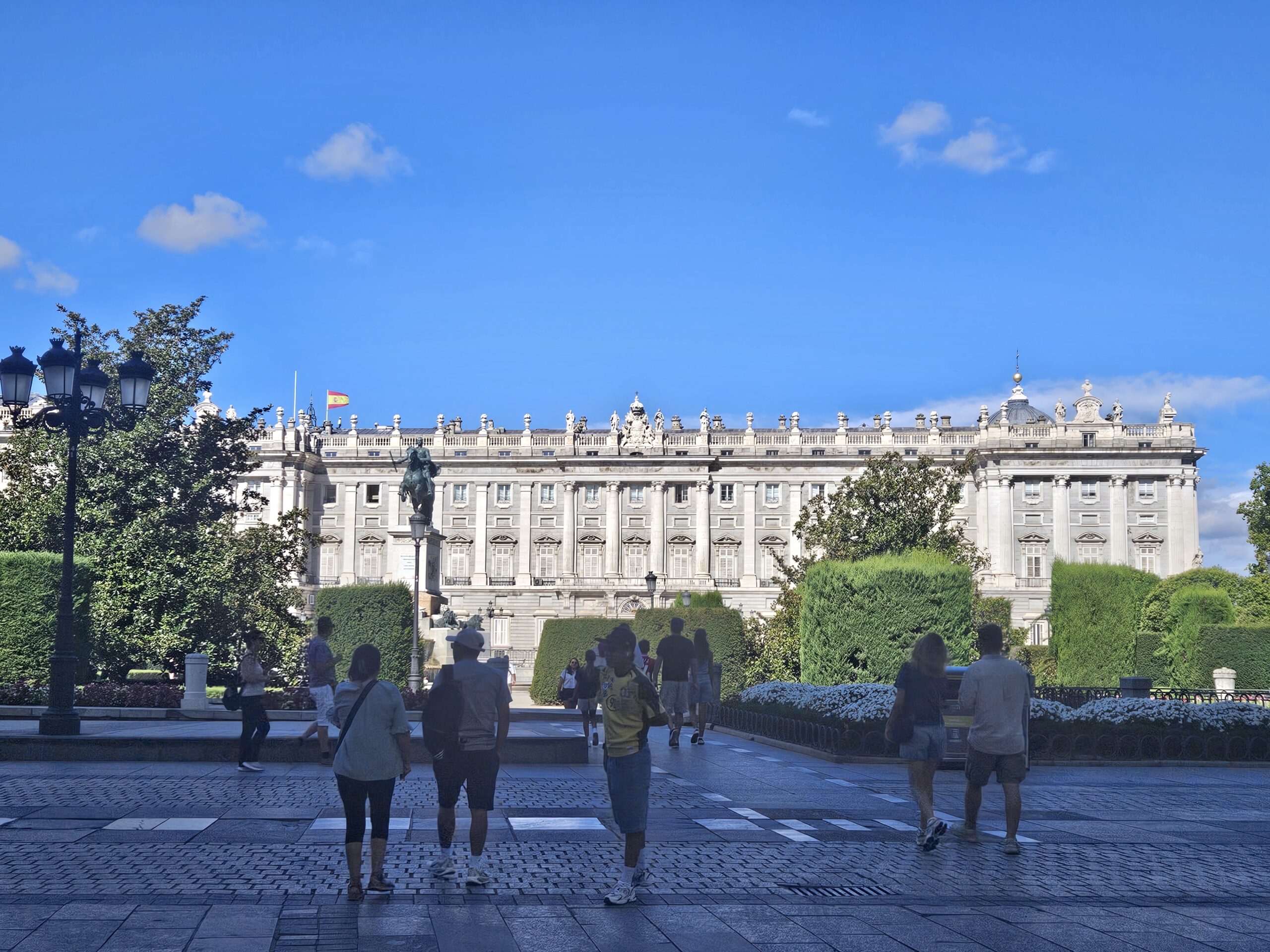
    Madrid is the center point of Spain and the nation’s capital. I has everything: museums, palaces, markets, churches, and my favourite, amazing Art Deco Architecture.

    In Treks & Books, we explore Madrid’s top 10 sights and outline which literature and films used it for a setting. I’m a Toronto writer who pens Art Heist Technothrillers and YA Sci-Fi, so I’m partial to thrillers and action adventure with a soft spot for the classics.

    See Episode 3 here and check out the bonus material on Segovia.

  • Treks & Books Launch

    Treks & Books Launch

    As a Toronto thriller and YA writer, I’m truly excited announce the launch of my new YouTube segment called Treks & Books.

    I’ve travelled to over 80 countries with my wife and my son has joined in the adventure. In each YouTube show, I will highlight the various destination cities I’ve travelled to throughout the world drawing together links to the literature, films and TV shows that feature the location as a setting. After all, I’ve often seen an exotic local in a movie or read about one in a book and it’s inspired me to visit. I like to touch on art and architecture too. There’s something for both the travel bug and the book worm.

    Check it out, like and subscribe @FrancisVandenHoven on YouTube. Here’s the episode about Edinburgh, Scotland.

  • Edinburgh, writers’ haven

    Edinburgh, writers’ haven

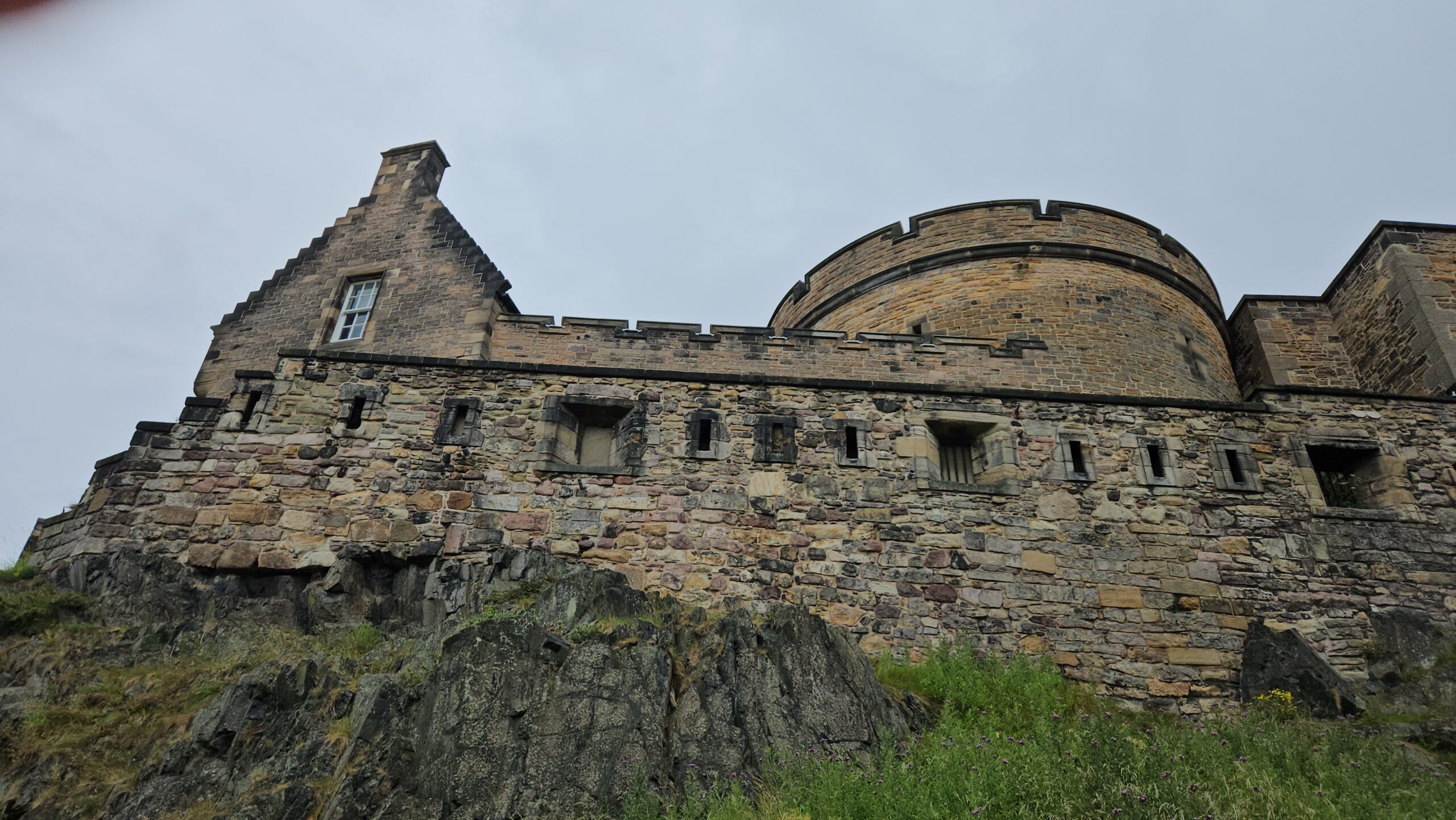
    Edinburgh, Scotland has the gothic architecture and the history to inspire writers. JK Rowling admits that Edinburgh Castle helped her dream up Hogwarts and that Grassmarket’s tight, brightly coloured shops made her think of Diagon Alley.

    She’s in good company. Sir Ian Rankin also writes about and lives in Edinburgh. The city features prominently in his Detective Rebus novels.

    One place for aspiring writers to visit is the writers museum which details the lives and works of Robbie Burns, Sir Walter Scot and Robert Louis Stevenson. Stevenson is famed for Treasure Island and Dr. Jekyll and Mr. Hyde.

    Here’s the latest installment of Treks and Books which showcases Scotland’s hub for tourists and writers alike.

  • London UK heat wave

    London UK heat wave

    Jolly old England at the end of June pack a brawly and a jumper, right? Wrong. London was a sweltering 40c and the surrounding concrete made it worse. Even in shorts and a golf shirt, we had to down liters of water and take to the rare air conditioned shop for respite.

    Undaunted my family and I conquered the Tower of London, London’s Tower Bridge, a tour of Westminster Abbey and the London Eye. At the Sondheim Theatre we took in Les Miserables, and I checked ‘see a show in London’ off my bucket list.

    The British Museum and the National Gallery were highlights. A day trip to Stonehenge was a great way to see the famous site a mere 2.5 hours each way. Enjoyed every minute including the fish and chips. Check out my Treks and Books video on YouTube for more of the highlights. Cheers.

  • Segovia & the bullet train

    Segovia & the bullet train

    Our second last day in Madrid, my son insisted on traveling to Segovia by bullet train. Originally, I’d planned on driving which would take 1.5 hours there and back for a total of three hours. Instead we boarded the bullet train out of Chamartín station. This whisked us from Madrid to Segovia in a blistering 27 minutes clocking in at 280km/h. From there we snagged a taxi to downtown from Guixar station.

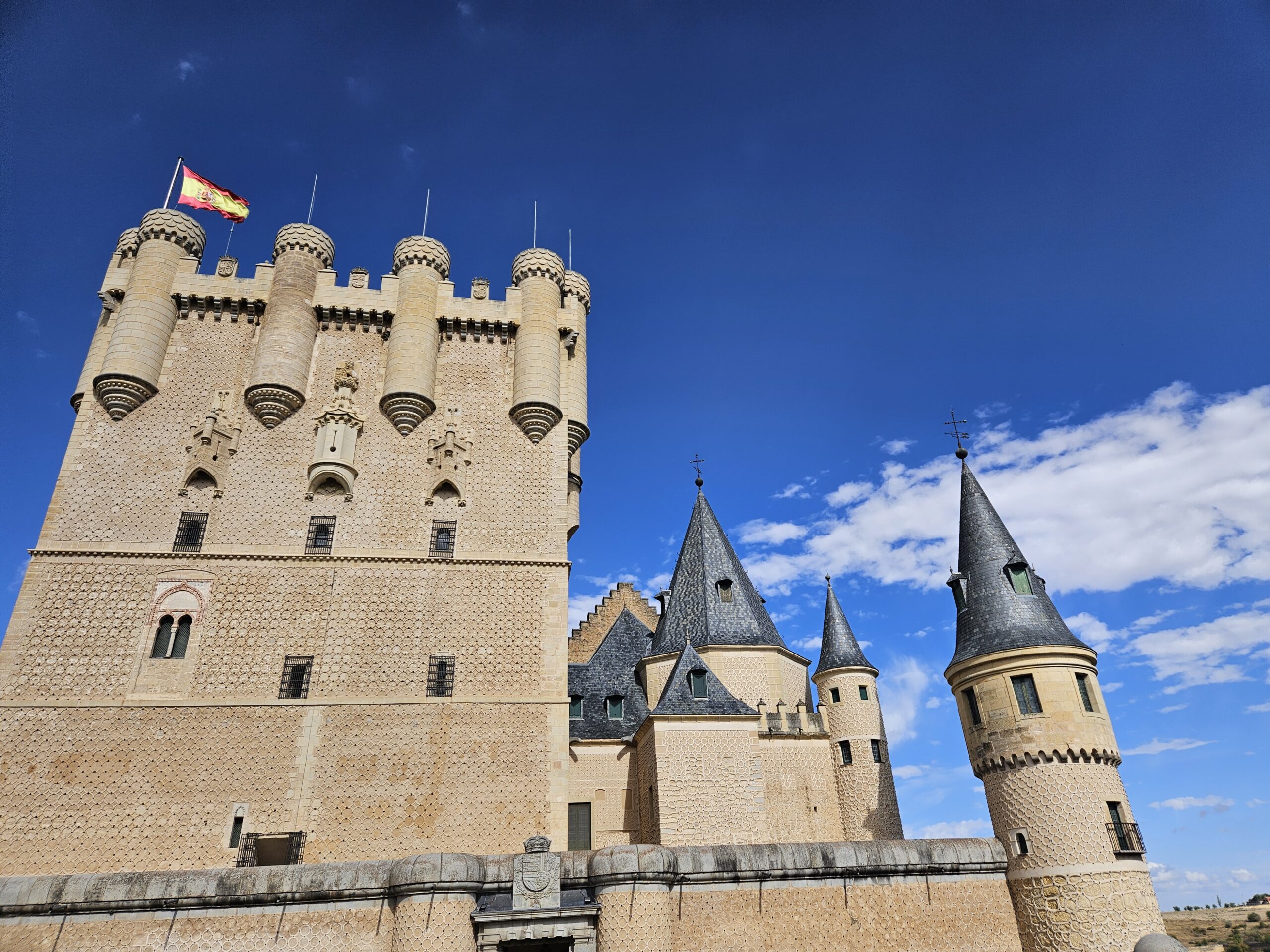
    The Alcazar of Segovia lies on cliff, perched such that any of Spain’s medieval King’s could survey the surrounding 20km in any direction. It felt like a fairytale castle come to life and I expected characters from Game of Thrones to be popping out with broadswords.

    The hall of kings held dozens of painted wood carvings of these rulers of ancient Spain who held sway over hundreds of years. The Alcazar has seen modern repairs including iron rings to hold its ageing stones in place, but its majestic towers are well worth the climb.

    P.S. That’s Segovia, Spain and not Sokovia, the fictional country that gets launched into near orbit by the bad guy in Marvel’s Age of Ultron filmed in villages in Valle d’Aosta, Italy and a massive soundstage near Hendon North London, U.K.

    Check out the Alcazar of Segovia in Treks and Books Madrid on YouTube.

  • Bilbao & Frank Gehry

    Bilbao & Frank Gehry

    Bilbao lays nestled in Basque country with its river flowing to the Bay of Biscay. Once a dirty shipping port, the city fell on hard times when steel and other industries shuttered their factories. The soot and grime that caked the buildings clung hard to the chock-a-block workers tenements that form the city.

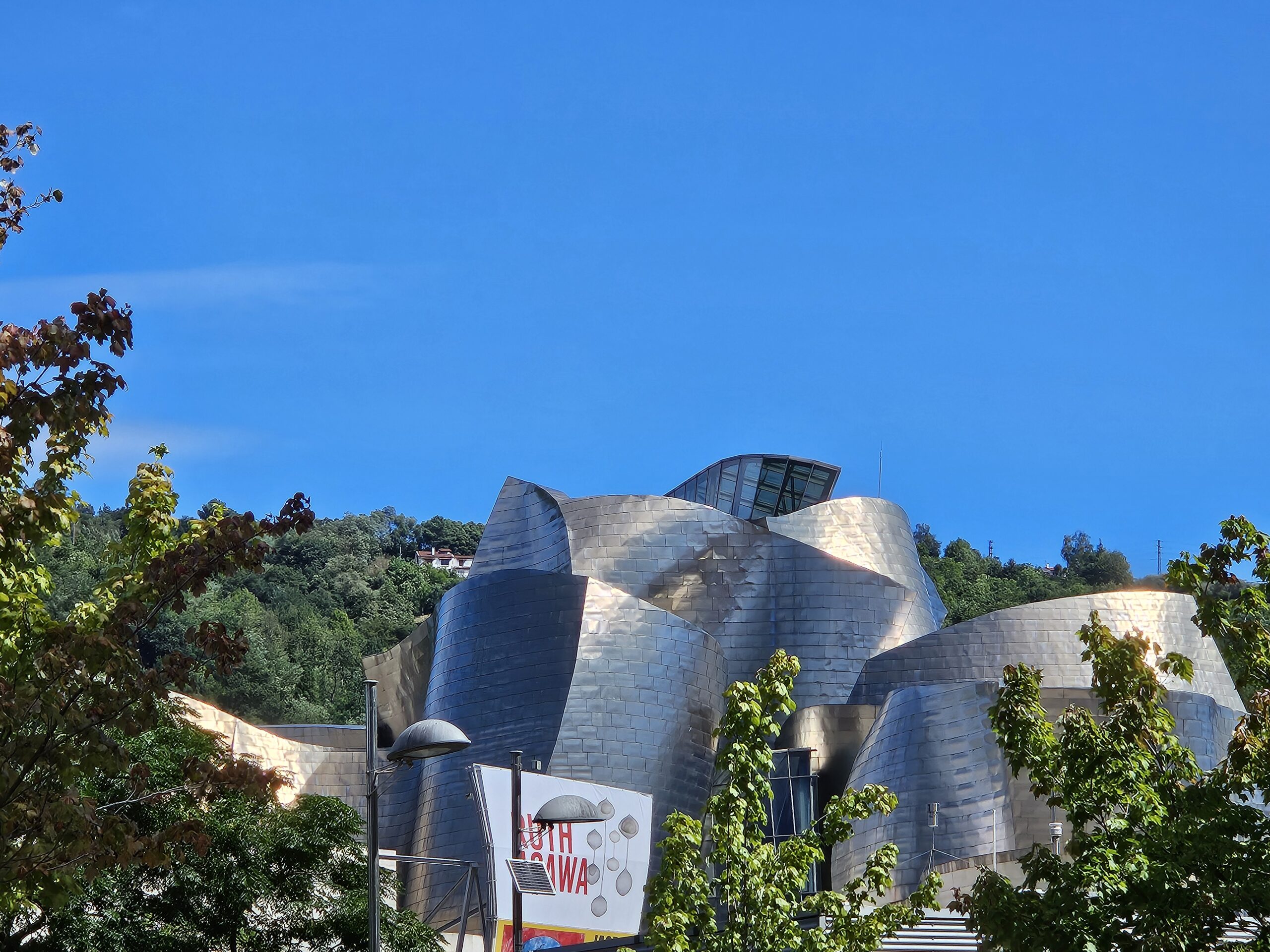
    But the city has since seen a revival from tourism owing to a singular building – the Guggenheim Bilbao Museum. Conceived and painstakingly created by the late great Canadian architect Frank Gehry, the museum houses modern art. One can say it’s a work of art in its own right. Gehry’s building is waves frozen in time and its 45,000 titanium plates flash in the Basque sun like the scales of an exotic fish. Gehry himself describes how the planes and curves come together like the mockups he used to create from balls of crumpled paper as a child.

    We drove from Madrid to Bilbao, but if you wish, you can take a bullet train there too. The museum falls on the category of a must see for art and architecture lovers alike.

    P.S. This building may look familiar to you. It appeared in the opening sequence of the 1999 Bond film, The World is Not Enough, starring Pierce Brosnan. Also, it’s key setting in Dan Brown’s thriller, Origin.

  • Driving in northern Spain…

    Driving in northern Spain…

    Yes, I needed an international drivers license (thanks CAA) and my wits about me, and my son navigating, but I managed. The key advantage I had was familiarity with driving on the right hand side!

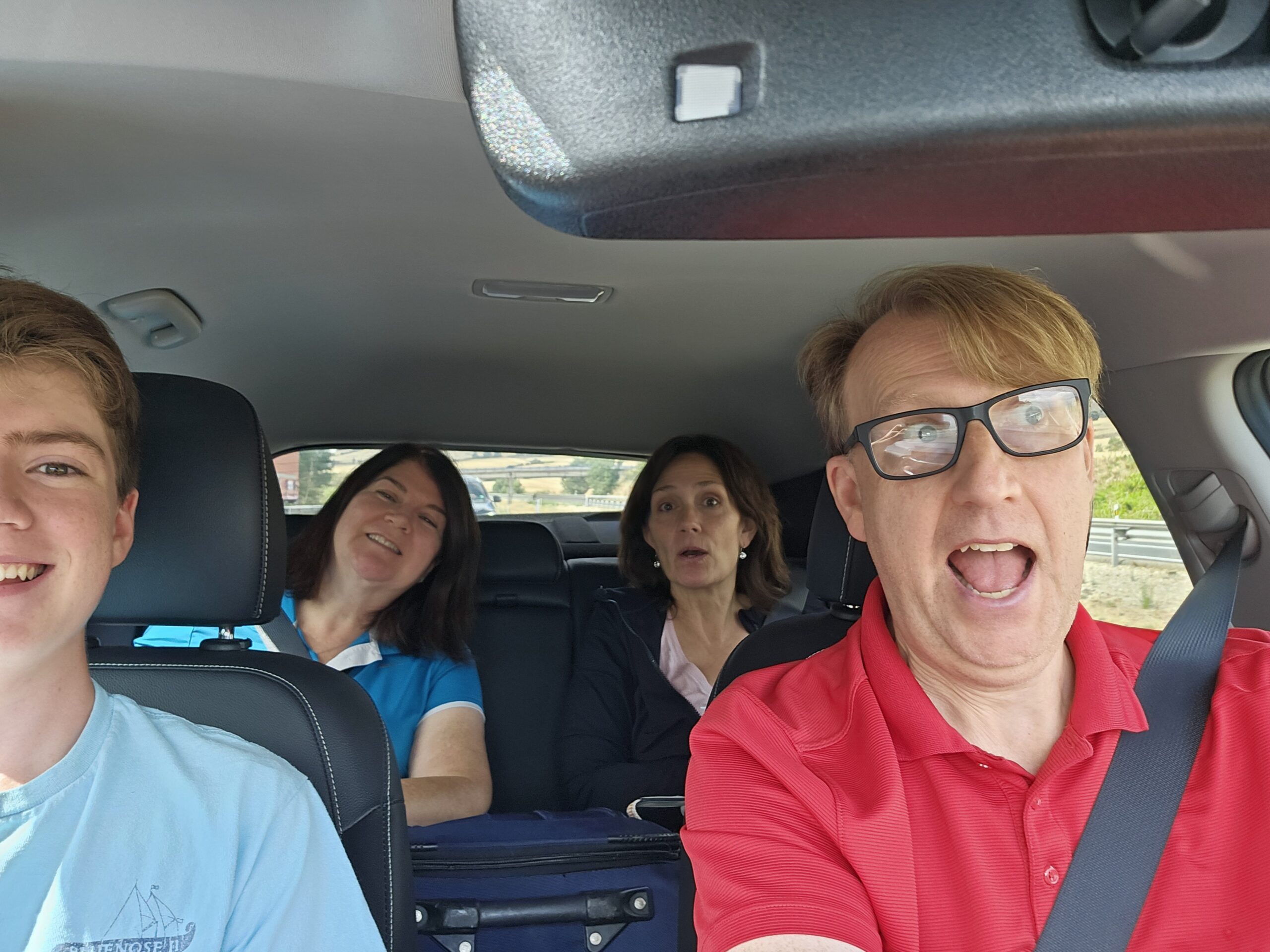
    Our route was simple: Madrid to Bilbao and then across to Santiago de Compostela. My family and I picked up a vehicle from the Madrid train station and parked it over night in Cheuca area.

    Though I’d traveled to Europe many times, I’d never driven on the highways and I found it trial by fire. Gripping the wheel and gritting my teeth I managed to steer clear of dozens of maniacs who, while you are passing, would barrel up behind and fish tail like a road rage enthusiast. To my chagrin I also encountered speed signs changed at random intervals with dozens of speed cameras in every zone. So a precipitous drop had a 120km/h while a flat open straight stretch of road stayed pegged at 70km/h.

    Back to the lunatic drivers. I’d love to say I drove like Jason Bourne to avoid them, but the speed cameras took me down a few notches. I asked myself why people were acting so crazy. Then, I realized I’d missed the cultural driving memo. That drivers handbook note that says: ‘get out of the passing lane as soon as possible’ had landed as rule more than a suggestion. Drivers had no intention to cut me off in the right lane, it was up to me to slow down as they cut 3 cm in front of me. Okay, once I did no problem, tapas for everyone.

    One final comment on Spain’s highways. They are gorgeous, and they are numerous places where tunnels cut through mountains and bridges span valleys sometimes four hundred feet in the air for multiple kilometers. The verdant landscape packed with pine trees and bare rocky crags made the drive picturesque.

  • Visiting with Verne

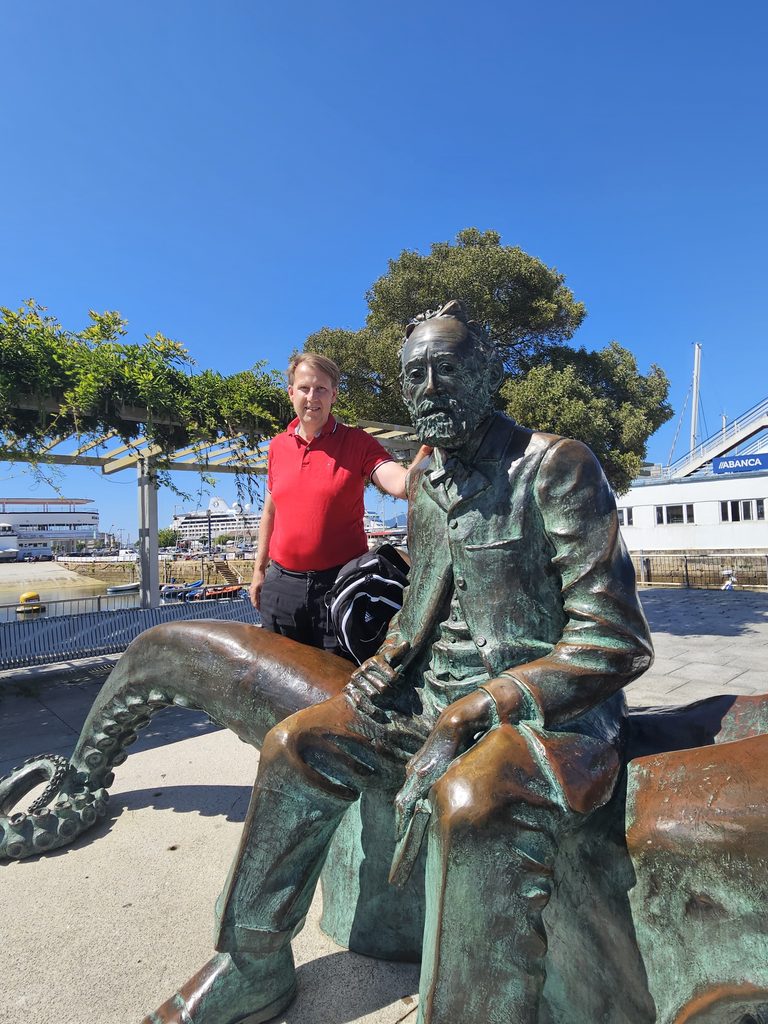
    On a recent trek to northern Spain, I was surprised to learn about a connection with classic Sci-Fi novelist Jules Verne. As it turned out Verne mentions Vigo, Spain in 20,000 Leagues under the Sea.

    Verne, needed a shipwreck filled with silver to fill Captain Nemo’s coffers so he’d be wealthy enough to fund future voyages of the Nautilus. Enter The Bay of Vigo, Spain and the Anglo-Dutch wrecks of the Battle of Rande in 1702 which Verne borrowed as treasure ships for Nemo to pilfer. Verne leaned into history and technology so much that in my opinion he could be called the first technothriller writer. Think about that for a bit while I go fill my boots with silver.

    P.S. A funny anecdote. Verne ended up visiting Vigo twice personally quite accidentally (he had ship troubles both times and was forced into port). The locals were excited by the visits and welcomed him enthusiastically. Over a hundred and fifty years later, the city of Vigo created this statue to honour the French author. On February 18 of every year, the Jules Verne Society of Vigo gathers to read the chapter ‘The Bay of Vigo’ aloud. If you ever visit, don’t worry if you don’t know Spanish, they read it in multiple languages.